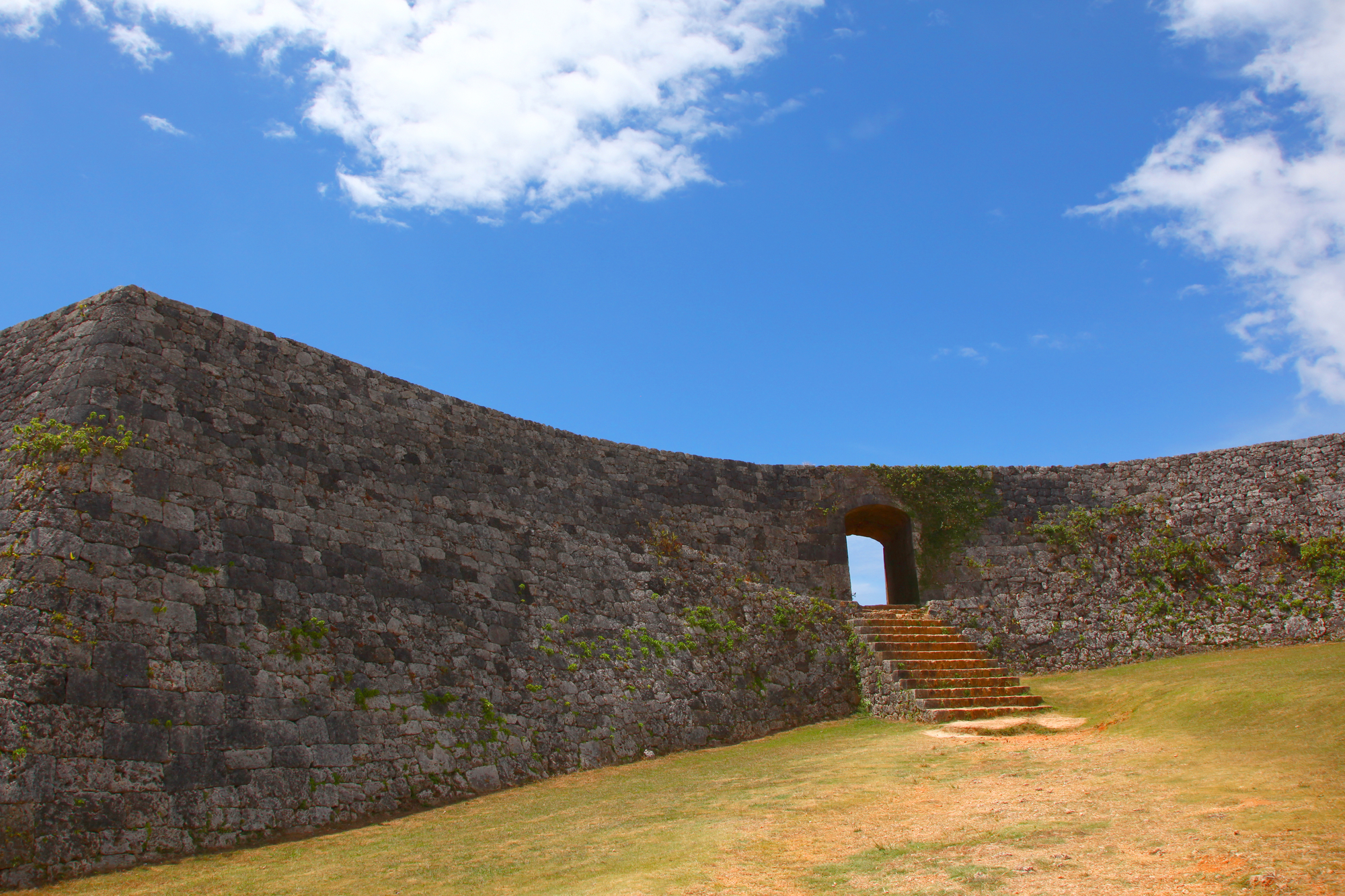
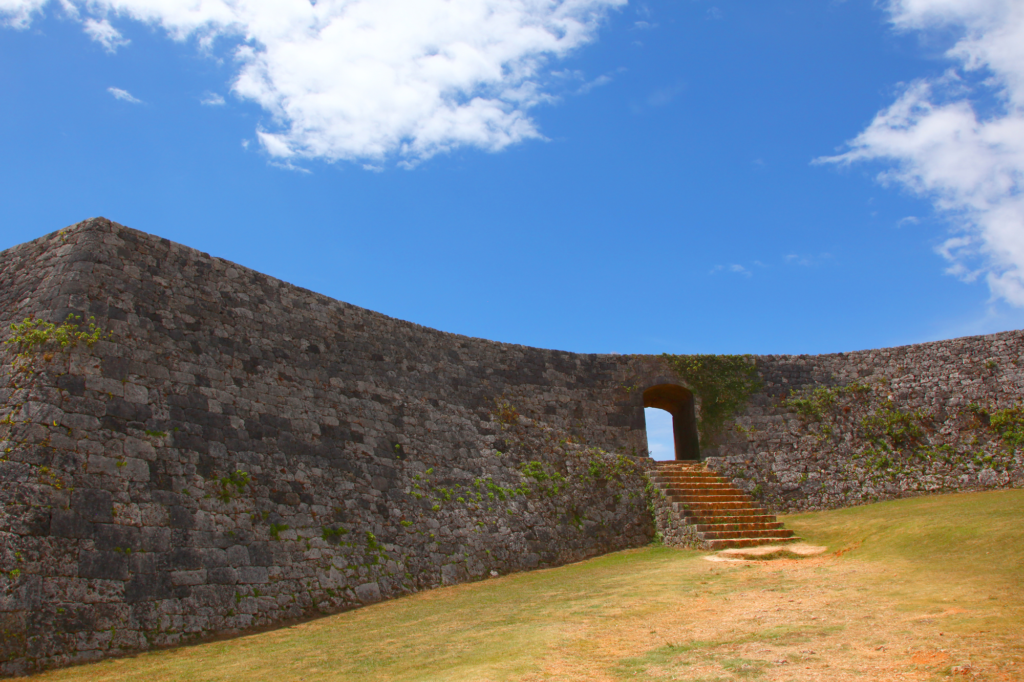
Zakimi Castle Ruins is located in Yomitan Village in the central Okinawa main island and is one of the “Gusuku and Related Properties of the Kingdom of Ryukyu” registered as a World Cultural Heritage in 2000.
Although small in size, the elaborate and beautiful masonry of the castle walls and gates is said to be the best among all castles in Okinawa, and it is a valuable historical site that demonstrates the high level of stone construction technology of the time.
History of Zakimi Castle Ruins
Zakimi Castle Ruins is a castle built in the 1420s by Gosamaru, a famous general who was also a famous castle builder and Yomitan masseur. Gosamaru was active during the “Sanzan Period” before the unification of the Ryukyu Kingdom, and after the unification of the Ryukyu Kingdom, he devoted himself to the stability of the country.
It is said that Gosamaru participated in the capture of Nakijin Castle (the castle of the Kitayama King) by King Shobashi during the Sanzan Period, and was praised for his efforts during that time.
Zakimi Castle Ruins Highlights
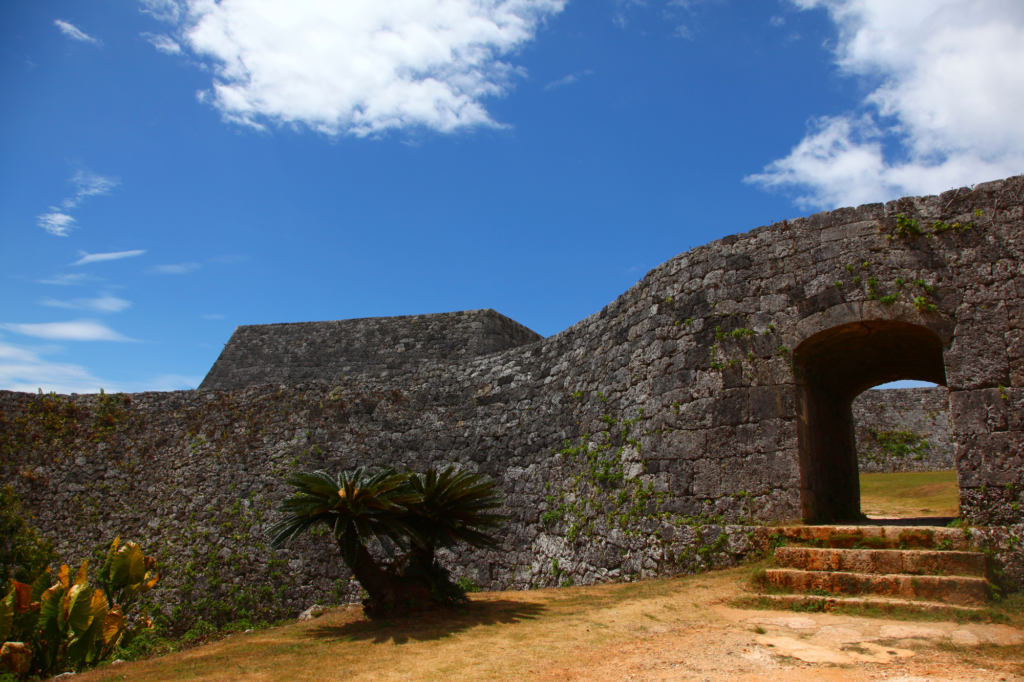
The most distinctive feature and the main attraction of the Zakimi Castle ruins is the oldest stone arch gate existing in Okinawa. The arch of the Zakimi Castle gate features a wedge stone in the middle to strengthen the gate. The arch gate, which escaped the ravages of the Battle of Okinawa, has an indescribable charm that makes visitors feel as if they are going back in time to the days of the Ryukyu Kingdom on the other side as they pass through. Gosamaru was said to have been a “master builder,” and the high level of architectural skill of the Zakimi Castle ruins, which combines military superiority besides beauty, fascinates people today.
World Heritage Site Zakimi Castle Ruins Yuntanza Museum
Adjacent to the Zakimi Castle Ruins is the “World Heritage Site Zakimi Castle Ruins Yuntanza Museum,” a reopened museum of the Yomitan Village History and Folklore Museum that was originally opened in 1975.
Here, visitors can learn not only about Zakimi Castle, but also about the history, nature, culture, and crafts of Yomitan Village, with exhibits on the natural and cultural heritage of the area. Visitors can also learn more about the “toadstools” in which Okinawan citizens and Japanese troops hid during the war, and the traditional Okinawan tombs called “kamekoubaka” (turtle shell tombs) through dioramas.