Yomitan Village, central Okinawa Island. Nestled within this area bustling with resort hotels and tourist attractions, Suien stands quietly, a cafe-restaurant where time seems to stand still.
Though the building appears at first glance to be an old folk house, stepping inside reveals a unique world distinct from typical Okinawan charm, colored with Asian essence.
Point 1: ‘Suien’ – A location where tranquility and sacredness coexist
Suien is located in a slightly secluded area of Yomitan Village. Set back from the bustling tourist streets, you’ll notice the atmosphere shift the moment you park your car and take a short walk.
Right beside the shop lies the remains of a well, no longer in use but once cherished by the local community. The spot carries an air of quiet dignity.
Furthermore, within the grounds is a goat pen. White goats leisurely grazing on grass add a gentle rhythm to this space.
The entire surrounding area is enveloped in a quietness reminiscent of a “sanctuary.” It’s the kind of place you’d visit not so much to “enjoy chatting” but to “spend time facing yourself.”
Approximately 55 minutes by car from Naha Airport.
By bus: Take Ryukyu Bus No. 120 and get off at “Oyaji Entrance,” then walk 30 minutes. Alternatively, take Ryukyu Bus No. 190 and get off at “Kencho North Exit,” then transfer to Ryukyu Bus No. 28 (which also passes through Kokusai Street) and get off at “Takashibo Entrance,” then walk 17 minutes.
Nestled within Yomitan Village’s residential area, it’s a simple, single-story building with rustic charm. It’s a short walk from the parking lot, but the building itself is instantly recognizable and has a captivating appeal. So, first, enjoy the charm of its exterior.
Point 2: ‘Suien’ recommends an Asian fermented dish called “Bread”
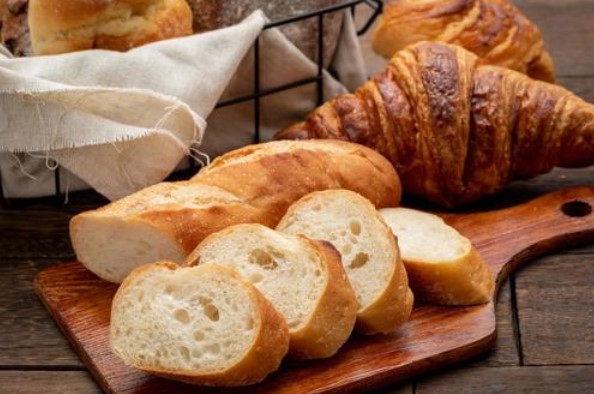
When it comes to “water circles,” bread is the first thing that comes to mind. But the bread we’re talking about here is a little different from what we typically imagine.
The most representative examples are those with a chewy texture reminiscent of India’s “masala dosa” or China’s “mantou,” evoking the rich flavor of grains.
Each piece radiates the presence of an edible work of art: fluffy, steamed-like dough gently enveloping spices and seasonal vegetables, or kneaded with nuts and beans.
Priced at several hundred yen per loaf, it’s slightly pricier than your local bakery. Yet, this doesn’t deter patrons.
Rather, those who visit are discerning adults, both local and international, who resonate with the stories and philosophy behind the food. They come to eat the bread here with the same mindset as going to see art.
The “Seasonal Bread Plate,” which changes with the seasons, and set menus paired with homemade herbal teas are also popular. Each item clearly conveys that it was made while truly listening to the voice of the ingredients.
Point 3: The quiet world of stories that unfolds within and around the ‘Suien’ store
The building is a single-story wooden structure that shows its age. The high-ceilinged space is dotted with antique furniture and ethnic textiles, creating an atmosphere like being invited into a house in some village in Asia.
It stands apart from the sea breeze and tropical mood often found in Okinawan cafes, offering a more inward-looking, spiritually inclined ambiance. The customers who visit are all adults who quietly read books or enjoy quiet conversation, careful not to disturb the atmosphere.
Outside the windows, greenery spreads out; birdsong drifts in from afar, occasionally punctuated by the bleating of goats. Everything is understated, yet undeniably present.
The hours spent here become a deep breath for both mind and body—something the digital world cannot offer.
If touring tourist spots leaves you feeling a little weary, come rest your mind and body at Suien, tucked away deep in Yomitan Village.
Here, time quietly awaits for you to step away from the sounds of daily life and reconnect with your senses.
“This is truly Yomitan Village,” I found myself murmuring.
Yomitan Village truly has many cafes and restaurants that make you want to make a special trip. Even though Suien was a bit inland and farther away within Yomitan, my honest feeling is, “I’m glad I made the trip.”
Suien is a space where you can not only enjoy delicious bread but also let your weary, everyday heart rest and heal. Please visit at least once.